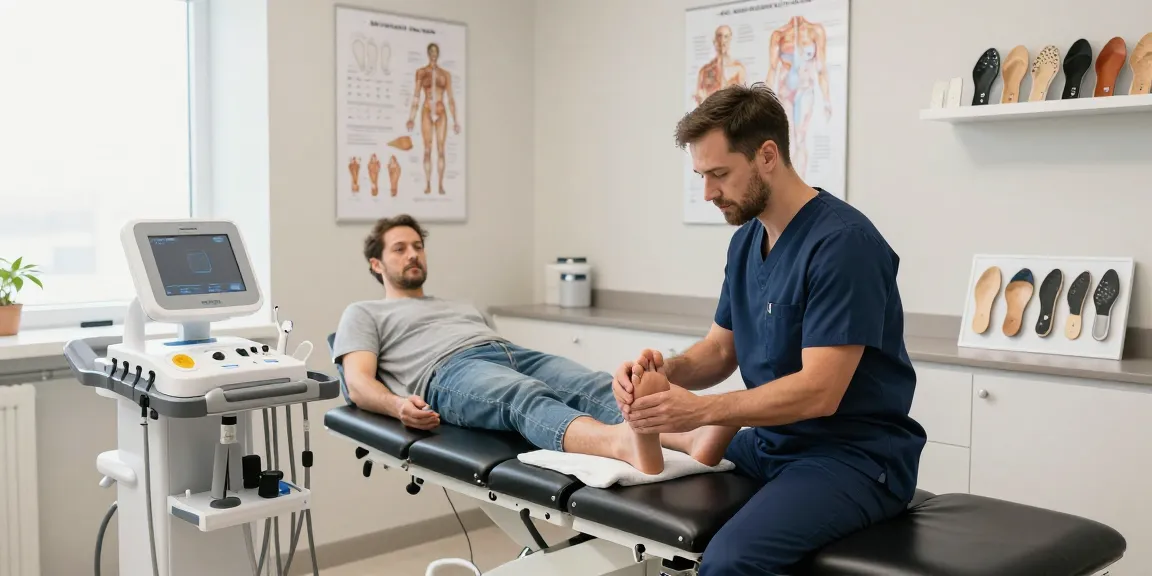
Understanding Podiatry Equipment and Its Importance
Podiatry equipment plays a crucial role in delivering effective foot care, addressing various ailments ranging from common injuries to chronic conditions. As the field of podiatry evolves, so does the technology and tools available to practitioners. It is essential for podiatrists to stay informed about the latest advancements and best practices in podiatry equipment, which not only enhances patient care but also improves operational efficiency in a clinical setting.
What is Podiatry Equipment?
Podiatry equipment refers to specialized tools and devices used by podiatrists and foot care specialists to diagnose, treat, and manage conditions affecting the feet and lower limbs. This encompasses a wide range of items, including surgical instruments, diagnostic tools, therapeutic devices, and footwear. Understanding the variety of equipment available is essential for practitioners to provide optimal care.
Key Tools and Their Functions
- Podiatry Chair: A specialized chair that enables patients to be comfortably positioned while allowing practitioners easy access to the feet.
- Diagnostic Tools: Equipment such as digital foot scanners and gait analysis systems that assist in assessing foot structure and function.
- Laser Therapy Devices: Tools used for pain management and tissue repair, particularly for conditions such as plantar fasciitis and neuropathy.
- Orthopedic Instruments: Surgical tools that assist in correcting foot deformities or performing surgeries.
- Ultrasound Equipment: Used for imaging soft tissues and diagnosing various musculoskeletal conditions.
Benefits of Using Advanced Podiatry Equipment
Investing in advanced podiatry equipment offers numerous advantages for both practitioners and patients. Firstly, these tools often lead to more accurate diagnoses and effective treatment plans. Secondly, modern equipment typically enhances patient comfort and satisfaction during procedures. Furthermore, using the latest technology can significantly reduce recovery times, enabling patients to return to their daily activities more swiftly.
Choosing the Right Podiatry Equipment for Your Practice
Factors to Consider When Selecting Equipment
When choosing podiatry equipment, practitioners must consider several factors, including patient needs, types of services offered, and equipment durability. Additionally, it is vital to assess the equipment’s compatibility with the current practice’s setup and its ease of use for both staff and patients. Prioritizing high-quality tools can also result in long-term cost savings by reducing the need for frequent replacements.
Comparing Brands and Products
The market is saturated with various brands offering podiatry equipment, making it crucial to compare features, warranties, and customer reviews. Look for reputable manufacturers known for their innovation and durability. Consulting with experienced colleagues or industry publications can provide valuable insights and help in making informed decisions.
Budgeting for Podiatry Equipment Purchases
Budgeting is a significant consideration for any practice when investing in podiatry equipment. It is essential to balance quality and cost-effectiveness. While some high-end tools may require a larger initial investment, they can save costs in the long run through increased efficiency and reduced maintenance needs. Consider financing options or leasing equipment if upfront costs are prohibitive.
Best Practices for Using Podiatry Equipment
Proper Maintenance and Care for Equipment
To ensure the longevity and performance of podiatry equipment, regular maintenance and adherence to manufacturer guidelines are critical. This includes periodic calibration of diagnostic tools, sterilization of surgical instruments, and routine inspections for wear and tear. Proper care not only extends the life of the equipment but also fosters patient safety and trust.
Training Staff on Equipment Usage
Equipping staff with comprehensive training on the use of podiatry equipment is fundamental to maximizing its potential. Staff should be familiar with the operational procedures, maintenance requirements, and safety protocols associated with each device. Ongoing training sessions can help ensure that all team members remain updated on new equipment and best practices.
Common Misconceptions about Podiatry Tools
There are several misconceptions surrounding podiatry equipment that can lead to suboptimal use. One common myth is that all equipment is universal and interchangeable; however, each tool serves specific functions tailored to different conditions. Understanding the unique purpose of each piece of equipment can prevent misuse and enhance patient outcomes.
Emerging Trends in Podiatry Equipment for 2026
Technological Advancements Transforming Podiatry
As we approach 2026, technological advancements are set to revolutionize podiatry equipment. Innovations such as AI-powered diagnostic tools and 3D printing for custom orthotics are gaining traction. These technologies promise improved accuracy and personalization in treatment, allowing practitioners to provide tailored solutions for their patients.
Sustainable Practices in Equipment Manufacturing
With growing awareness of environmental issues, sustainable manufacturing practices are becoming a focus within the podiatry equipment sector. Manufacturers are exploring eco-friendly materials and processes, which can appeal to environmentally conscious practices. Incorporating sustainable equipment not only benefits the planet but can also enhance a clinic’s reputation.
Patient-Centered Innovations in Foot Care
Emerging trends are also prioritizing patient-centered care in podiatry. This approach includes developing equipment that enhances patient engagement and comfort. For instance, devices that allow for remote monitoring of recovery or telehealth consultations can facilitate better patient outcomes and satisfaction.
Case Studies: Successful Implementation of Podiatry Equipment
Successful Clinics and Their Equipment Choices
Numerous podiatry clinics have successfully integrated advanced equipment to enhance their practices. For example, a clinic in California invested in a state-of-the-art 3D scanning system for orthotic fabrication. This not only improved their workflow but also led to higher patient satisfaction and retention rates.
Performance Metrics: Measuring Success
Key performance metrics should be established to measure the success of new podiatry equipment implementations. Metrics such as patient recovery times, satisfaction surveys, and overall treatment efficacy can provide valuable insights into how well a clinic’s tools are performing and where adjustments may be needed.
Lessons Learned from Implementation
Integrating new podiatry equipment can come with challenges. Clinics often learn the importance of gradual implementation, including pilot testing new tools with select staff before full integration. Gathering feedback during this phase can help in addressing issues early on, ensuring that the transition is smooth and effective.
What are the latest innovations in podiatry equipment?
Innovations in podiatry equipment include advancements like AI-driven diagnostic tools, enhanced imaging devices, and smart orthopedic supports that monitor healing progress. These cutting-edge solutions help clinicians provide targeted care and improve patient outcomes.
How can I ensure the best care using my podiatry equipment?
To ensure the best care, regularly maintain and calibrate your equipment, provide comprehensive training for staff, and stay updated on the latest advancements in podiatry technology. Engaging with industry best practices can enhance your practice’s effectiveness.
What common issues arise with podiatry equipment?
Common issues with podiatry equipment include breakdowns due to lack of maintenance, user errors from insufficient training, and outdated technology that does not meet current patient needs. Addressing these concerns proactively can minimize disruptions in patient care.
How often should I replace my podiatry tools?
The replacement schedule for podiatry tools varies based on usage and type. Generally, diagnostic tools may need replacement every 3 to 5 years, while surgical instruments should be assessed for wear regularly and replaced as necessary to ensure patient safety.
What certifications should my podiatry equipment have?
When investing in podiatry equipment, look for certifications from recognized organizations that indicate compliance with safety and performance standards. These may include ISO certifications, FDA approvals, and CE markings to ensure that the equipment meets regulatory requirements.